750 days sober.: It’s not magic. It’s practice.

Sutra 1.21 “The goal is near for those who are supremely vigorous and intense in practice”

Sutra 1.22 “There are differences between those who are mild, average and keen in their practices.”

A friend called me up recently seeking advice, “I admire your ability to seemingly navigate stress and conflict with a sense of peace and objectivity,” and wanted to learn he might cultivate the same mindset.

I assured him if there was any truth to his perception, it was the product of years of practice.

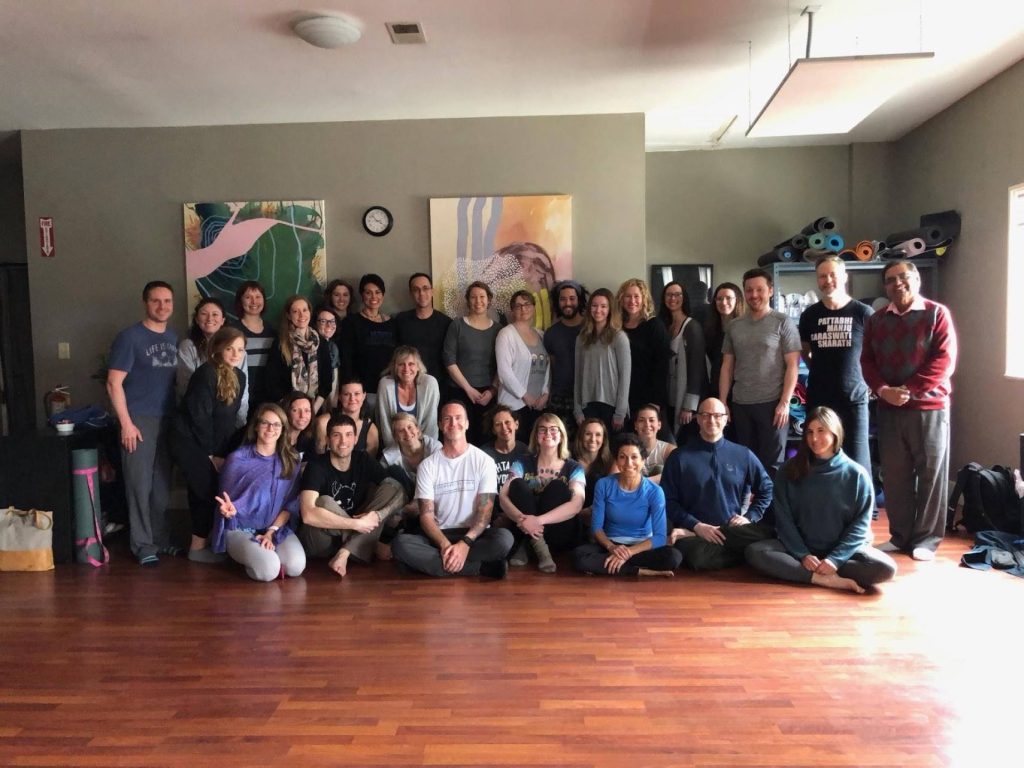
I once listened to Vedic scholar, Sree Aswath, (pictured) speak on yoga and the sutras. He explained many think yogis do not get stressed or experience anger. Yogis, like everyone else, experience these mental states, but the yoga practice cultivates an ability to recover quickly. An unpracticed person may take a month or longer to move on from an emotional event; a practitioner of yoga, over time, can learn to recover in a week, a day, an hour, 10 mins.

Stoics also have a reputation for being unfazed and emotionless. Again untrue. Stoics cultivate maxims to have “ready to hand” to help bring them back to objective thinking. Marcus Aurelius’ Meditations are nothing more than reminders to himself to come back to this fundamental disposition.

“The ancient philosophers, likewise, did not merely think about the challenges of living and arrive at a conclusion once. They found it necessary to repeatedly go over and over the same line of reasoning in their minds on a daily basis, sometimes reviewing a single idea in relation to many different concrete situations, or elaborating it by means of different analogies and modes of expression. In other words, it takes effort and perseverance, in many cases, to change our habits of thinking and overcome destructive emotional responses.”

How have I applied this?

I read daily with the intention of finding passages I can use as reminders and tools. I enjoy sharing these with the world.

Ashtanga yoga encourages a regular daily practice. Through it, I’ve built strength over my mind.

Whether a headstand, or compassionate objective demeanor, it’s simply unexpected fruit of consistent practice over time.
740 days sober: In 2200 characters or less.


As a boy I loved to learn. Mama would sit with me at the dining room table every night and help me with my studies. Daddy, always the avid reader, modeled the behaviors of a lifelong learner.
I am not sure where it changed. But after more than a decade of drug and alcohol abuse, my brain was not what it once was. Once a master of chemistry, I could now barely string together coherent sentences.
In the year before getting sober, my body and my brain were falling apart. I spent thousands of dollars on all types of doctors trying to figure out what was wrong with me. I spent hours reading stories online on people who found themselves struggling to find words.
On Jan 1 2017 I wrote,
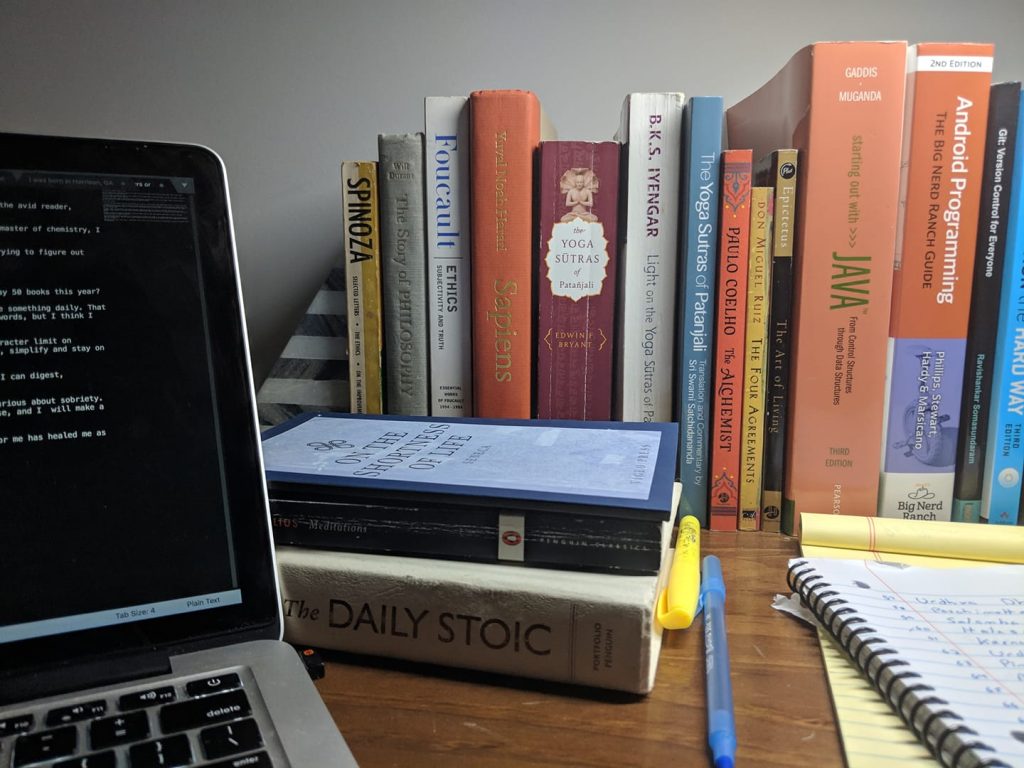
“I want to be more well spoken. I have felt less articulate than ever before. I will read more. Read something daily and dare I say 50 books this year?
I will dedicate time to write. I think this improves the brain and helps you find new words and thoughts. Dare I say I would write something daily. That may offer me little flexibility. Worth a try? And not just this copy quotes bullshit but actually reflect. I like quotes and new words, but I think I need to write about them.”
I decided to start writing publicly to hold myself accountable. Instead of starting a blog I decided to use social media. The character limit on Instagram is 2200 characters. Fitting what I wanted to say into 2220 characters made me a better writer. It’s made me restructure, simplify and stay on message.
The public accountability along with leveraging the notorious dopamine effect of social media keeps me reading week over week so I can digest, synthesize and share my thoughts and feelings.
But most importantly, this act has healed me in an unexpected way. Many people have reached out to me because they need or are curious about sobriety. Some reach out and berate me. They say sobriety should be anonymous, and I only do this for my ego and that one day I will relapse, and I will make a public fool of myself.
Maybe they are right, but I write anyway. I write because I want to write. I write for me. And this act of doing what is right for me has healed me as much as anything.